

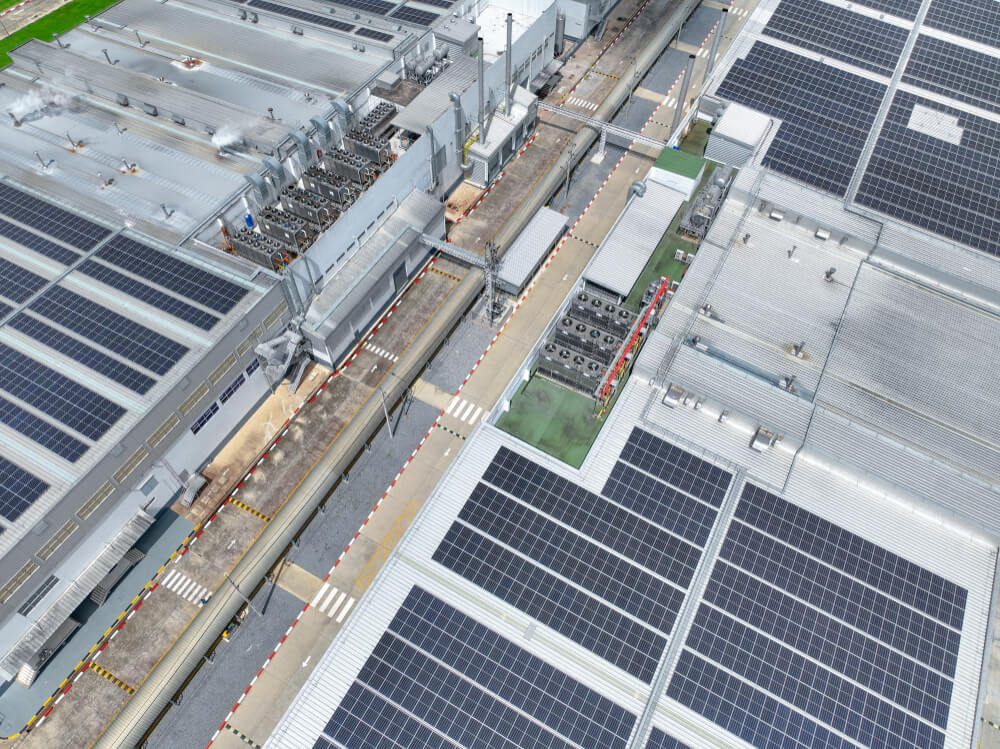
Businesses across India are increasingly switching to solar energy to reduce electricity bills and improve sustainability. One of the most common questions companies ask before investing in renewable energy is
What is the industrial solar system cost in India?
The industrial solar system cost typically ranges between ₹40,000 and ₹60,000 per kW depending on system size, panel technology, installation complexity, and inverter quality. Large-scale solar installations for factories, warehouses, and commercial buildings can range from ₹20 lakh to several crores depending on the project capacity.
Industrial solar plants help companies generate clean electricity using a solar power system, significantly lowering operational costs over the long term. In this guide, we will break down the industrial solar system cost, pricing factors, system sizes, and the benefits of switching to solar power.
Industrial Solar System Cost Per kW in India
The cost of installing an industrial solar plant depends largely on the system capacity.
Average Industrial Solar Cost Per kW
| System Size | Estimated Cost |
|---|---|
| 20 kW | ₹8 – ₹12 lakh |
| 50 kW | ₹20–₹30 lakh |
| 100 kW | ₹40 – ₹60 lakh |
| 500 kW | ₹2–₹3 crore |
| 1 MW | ₹4–₹5 crore |
These estimates include solar panels, mounting structures, inverters, wiring, and installation. The final industrial solar system cost may vary depending on the solar energy panels price and equipment quality.
Major Components That Affect Industrial Solar System Cost
Understanding the components of a solar plant helps businesses calculate the overall investment.
1. Solar Panels
Solar panels account for nearly 50% of the total project cost. The Solar Electric Panel Price varies depending on efficiency and technology.
For example:
- Monocrystalline panels, which are made from a single crystal structure, cost more but generate higher power.
- Polycrystalline panels are cheaper but slightly less efficient.
Businesses should compare the prices of solar PV panels from different suppliers before purchasing.
2. Solar Inverters
Inverters convert DC electricity generated by solar panels into AC electricity used by factories.
Industrial solar plants typically use:
- String inverters
- Central inverters
High-quality inverters improve system efficiency and lifespan.
3. Mounting Structure
Solar mounting structures support the solar panels on rooftops or ground-mounted installations.
Heavy industrial rooftops may require stronger structures, which can slightly increase the industrial solar system cost.
4. Installation and Engineering
Installation charges include:
- system design
- electrical connections
- testing and commissioning
Professional installers such as Industrial Solar Installer in Punjab often provide EPC services, including engineering, procurement, and construction.
Industrial Solar System Cost Based on Panel Technology
The type of solar panel also influences the project price.
Monocrystalline Solar Panels
- Higher efficiency
- Smaller space required
- Higher cost
Polycrystalline Solar Panels
- Lower cost
- Suitable for large rooftops
BIPV Solar Panel
Advanced technologies such as BIPV Solar Panel systems integrate solar modules into building structures like glass facades or rooftops.
Although BIPV installations cost more initially, they offer architectural and energy advantages.
Industrial Solar System ROI and Savings
One of the greatest advantages of solar energy is the return on investment.
Typical ROI Timeline
Most industrial solar systems recover their cost within 4 to 6 years.
Thereafter, the electricity generated is essentially free for the remaining 20+ years of panel life.
Electricity Cost Savings
Factories using large machines often pay high electricity tariffs. Installing solar can reduce electricity bills by 50% to 80%.
Solar Panel Price Trends in India
Solar technology costs have decreased significantly over the past decade.
The solar plate rate and Solar Plate Rate per watt currently range between ₹16 and ₹40 per watt depending on panel efficiency and brand.
Understanding the How Much Solar Panels Cost helps businesses estimate the final project investment.
Industrial Solar vs Residential Solar
Industrial solar plants are significantly larger than residential installations.
Solar Price for Home
Residential systems usually range between 1 kW and 10 kW.
Industrial Systems
Industrial systems range from:
- 20 kW
- 50 kW
- 100 kW
- 1 MW and above
These large installations require specialized expertise from companies such as Solar Companies in Chandigarh and other commercial solar EPC providers.
Additional Solar Applications for Businesses
Many companies integrate solar power with other technologies to maximize energy efficiency.
For example, factories installing solar systems often use Delta EV Charger stations to charge electric vehicles using solar electricity.
This combination helps businesses transition toward sustainable transportation.
Government Incentives for Industrial Solar
The Indian government encourages solar adoption through various incentives.
These include:
- accelerated depreciation benefits
- net metering policies
- subsidies for certain sectors
Businesses should consult solar experts or Suppliers of Solar Panels to understand available incentives.
How to Choose the Right Industrial Solar Installer
Choosing the right installer is critical for project success.
Key factors to consider:
- industry experience
- equipment quality
- warranty coverage
- installation expertise
Professional companies such as Industrial Solar Installer in Punjab provide turnkey solar solutions for industrial projects.
Benefits of Industrial Solar Power Systems
Installing an industrial solar plant provides several advantages:
Lower Energy Costs
Solar energy reduces dependence on grid electricity.
Environmental Benefits
Solar energy is clean and reduces carbon emissions.
Energy Independence
Companies become less dependent on fluctuating electricity tariffs.
Long Lifespan
Solar panels typically last 25 years or more.
Future of Industrial Solar in India
India is rapidly expanding solar infrastructure to meet renewable energy goals.
Due to their high energy consumption, we expect industrial sectors to play a major role in solar adoption.
As solar energy panels price continues to decrease, more factories and warehouses will invest in solar power.
Conclusion
The industrial solar system cost in India typically ranges between ₹40,000 and ₹60,000 per kW, depending on system size, panel technology, and installation requirements. Although the initial investment may seem high, businesses benefit from significant long-term savings on electricity bills.
By choosing high-quality equipment, comparing prices of solar PV panels, and working with experienced installers like Industrial Solar Installer in Punjab, companies can maximize the efficiency and lifespan of their solar systems.
As solar technology continues to become more affordable, industrial solar plants will play a key role in India’s transition toward sustainable energy.