

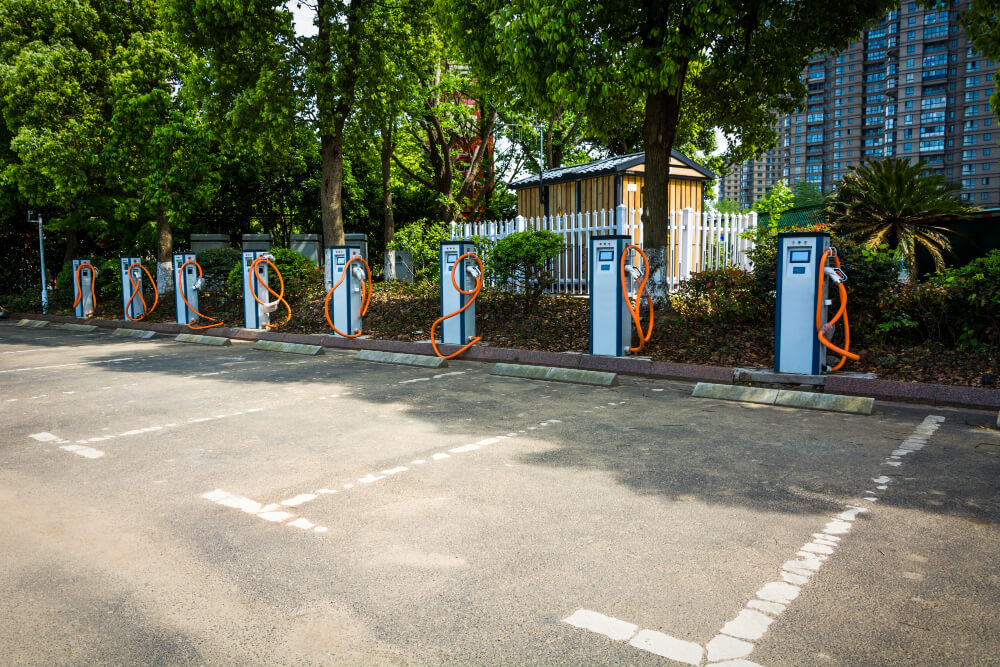
A Delta EV charger is a high-efficiency electric vehicle charging solution available in AC (7–22 kW) and DC fast charger (25–500 kW) variants. Designed for homes, workplaces, fleets, and public charging station setups, Delta EV chargers offer smart energy management, high power output, cloud connectivity, and compatibility with CCS, Type 2, and GB/T standards.
What’s a Delta EV Charger?
A Delta EV charger is an advanced EV charging system designed for residential, commercial, and public charging stations. These chargers support both AC chargers and DC chargers, delivering reliable and safe electric vehicle charging.
Delta is known globally for:
- High efficiency (up to 94–98%)
- Smart charging management system
- Compact wall-mounted AC units
- Ultra-fast DC chargers
- Integration with solar power system and energy storage
Whether you need a slow home charger or a highway rapid charger, a Delta EV charger covers every segment.
Types of Delta EV Charger
Understanding types helps you select the right delta ev charger for your charging services.
AC Chargers (7 kW – 22 kW)
AC chargers are ideal for:
- Homes
- Apartments
- Offices
- Small commercial setups
Power Output Options:
- 7.4 kW (Single Phase)
- 11 kW
- 22 kW (Three Phase)
AC chargers are slower compared to DC chargers but are affordable and suitable for overnight EV charging.
If you are planning an EV Charging Installation in Delhi NCR, AC chargers are commonly recommended for residential setups.
DC Fast Chargers (25 kW – 500 kW)
DC chargers deliver direct current directly to the EV battery, enabling fast charging.
Typical Use Cases:
- Public charging station
- Highways
- Fleet charging hubs
- Commercial charging stations
Power output ranges:
- 25 kW
- 50 kW
- 60 kW
- 180 kW
- 240 kW
- 350 kW+
- 500 kW ultra-fast chargers
A DC delta ev charger can charge most electric vehicles in less than 1 hour.
How a Delta EV Charger Works
- The EV charger connects to the electric vehicle via a charging cable.
- AC chargers send alternating current to the onboard charger.
- DC chargers bypass the onboard charger and send direct DC power.
- Charging management system monitors power output.
- Smart system balances the load and prevents overload.
Key Features of Delta EV Charger
- High Power Output: The chargers range from 7 kW home chargers to 500 kW DC rapid chargers.
- Smart Charging Management: Cloud-based monitoring.
- Energy Optimization: It can integrate with solar power systems and storage.
- Durable Outdoor Design: The product is IP55 rated, making it suitable for public charging station setups.
- Multiple Standards Support
- CCS Type 2
- CHAdeMO
- GB/T
- Type 2 connectors
Delta EV Charger for Homes
If you’re installing at home:
Choose:
7 kW or 11 kW AC charger
Benefits:
- Affordable
- Compact
- Easy installation
- Lower installation cost
Many homeowners combine the Delta EV charger with rooftop solar.
If you’re comparing Solar Price for Home, integrating EV charging with solar reduces long-term electricity costs.
Delta EV Charger for Commercial & Public Charging Stations
For malls, offices, fleets, and highways:
- 50 kW to 180 kW DC chargers are ideal.
- Supports high-traffic charging stations.
- This system facilitates the use of quick chargers for multiple vehicles.
When integrated with BIPV Solar Panel or commercial solar, it improves ROI.
Integration with Solar Energy
One major advantage of the Delta EV charger is compatibility with renewable systems.
You can integrate it with:
- Solar Panel Types
- Solar power system
- Energy storage batteries
If you are evaluating Cost of Solar System for Home, adding EV charging increases long-term value.
Businesses working with an Industrial Solar Installer in Punjab often integrate DC chargers into industrial solar plants.
Cost of Delta EV Charger in India
Prices vary based on power capacity.
| Charger Type | Approx. Price |
|---|---|
| 7 kW AC | ₹60,000 – ₹1.2 Lakh |
| 11 kW AC | ₹1–₹1.5 Lakh |
| 22 kW AC | ₹1.5 – ₹2.5 Lakh |
| 25 kW DC | ₹6 – ₹8 Lakh |
| 50 kW DC | ₹10 – ₹15 Lakh |
| 180 kW+ DC | ₹25 – ₹40 Lakh |
Installation cost depends on:
- Electrical load upgrade
- Civil work
- Transformer capacity
- Connectivity system
Why choose the Delta EV Charger Over Others?
- High Efficiency: More than 94% nominal efficiency.
- Wide Operating Voltage: 200–1000V DC range.
- Smart Energy Integration: Works with energy storage and solar systems.
- Future Ready: The Delta EV charger supports the CCS Type 2 standard, which most EVs are shifting to.
Delta EV Charger and Smart Cities
The Delta EV charger plays a major role in:
- Urban charging infrastructure
- Fleet electrification
- Smart charging stations
- Government EV policies
Public charging station networks rely heavily on DC chargers for quick turnaround.
Installation Guide
Before installing a delta ev charger:
- Step 1: Site Survey: Check load availability.
- Step 2: Electrical Infrastructure: Upgrade panel if required.
- Step 3: Connectivity Setup: Enable Wi-Fi/4G/ Ethernet for monitoring.
- Step 4: Integration
Can combine with:
- Aerial Thermal Imaging Services for panel health monitoring
- Drone aerial photography for large charging site inspection
- Drone 3d mapping for commercial solar and EV projects
Delta EV Charger + Solar Business Model
Commercial charging stations often integrate:
- solar energy panels price analysis
- solar pv panels price comparison
- cost of photovoltaic panels
- cost of solar panel installation for home
This reduces operational electricity cost by 40–60%.
Future of Delta EV Charger in India
India’s EV adoption is increasing rapidly.
Demand for:
- Fast chargers
- Public charging station networks
- Fleet charging hubs
- Residential EV charging
will grow exponentially in the next 5 years.
The Delta EV charger is positioned strongly in:
- Commercial DC charging
- Smart grid integration
- Renewable EV ecosystem
Final Buying Guide
When selecting a delta ev charger, consider:
- Type of electric vehicle
- Charging frequency
- Available power load
- Commercial or residential use
- ROI timeline
- Integration with solar
If you operate a fleet or public charging station, DC rapid chargers are recommended.
For homes, AC chargers are sufficient and cost-effective.
Businesses planning large infrastructure projects often collaborate with an Industrial Solar Installer in Punjab or regional EV infrastructure companies for full EPC services.
10 People Also Ask
- What is an EV charger?
It is an AC or DC electric vehicle charging system used for home and commercial charging. - How fast does a Delta DC charger work?
It can charge most EVs in under 1 hour depending on power output. - Is the EV charger suitable for home use?
Yes, 7 kW and 11 kW AC chargers are ideal for residential use. - What is the cost of an EV charger?
Prices range from ₹60,000 to ₹40 lakh depending on capacity. - Can the EV charger integrate with solar?
Yes, it integrates easily with solar power systems and energy storage. - Which charging standards does it support?
CCS, Type 2, GB/T, CHAdeMO. - Is a DC charger better than AC?
DC chargers are faster; AC chargers are more affordable. - Are Delta chargers beneficial for public charging stations?
Yes, especially 50 kW to 350 kW DC chargers. - Does it support a charging management system?
Yes, it offers cloud-based monitoring and energy optimization. - Is the Delta EV charger future-proof?
Yes, it supports modern EV standards and smart grid integration.
Conclusion
A delta ev charger offers reliable, efficient, and scalable EV charging solutions for homes, workplaces, and public charging stations. With options ranging from compact AC chargers to ultra-fast DC chargers, it supports the rapid growth of electric vehicle adoption. Its compatibility with solar systems and smart energy management makes it a future-ready investment for sustainable mobility infrastructure.