

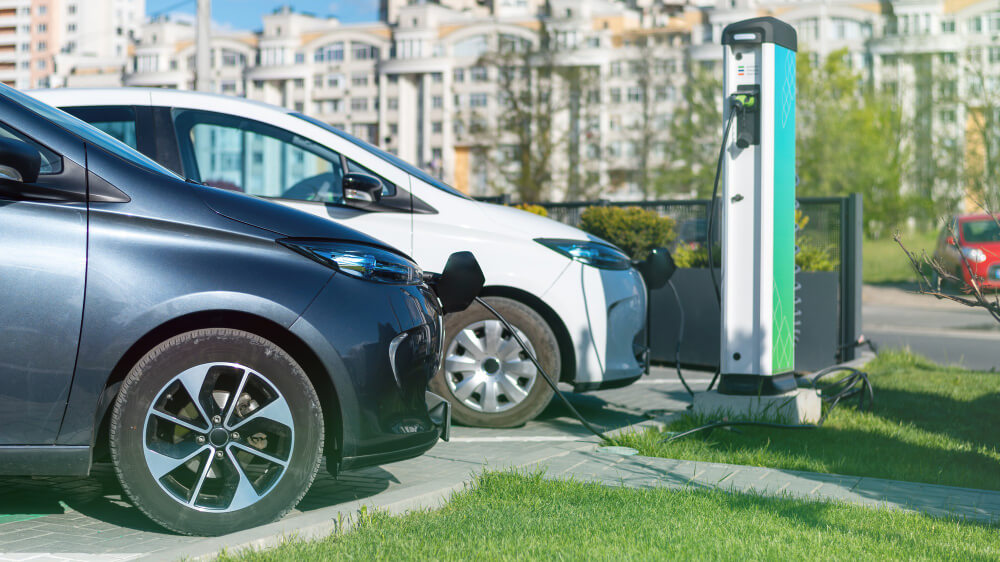
EV Charging Installation in Delhi NCR
EV charging installation in Delhi NCR is the process of setting up certified EV chargers at homes, offices, commercial spaces, and public charging stations to support the growing number of electric vehicles (EVs). With Delhi’s EV policy promoting clean mobility, installing an EV charger is now easier, faster, and more affordable than ever.
If you own an electric vehicle or plan to buy one soon, understanding EV charging installation in Delhi NCR will help you make the right decision.
What Is EV Charging Installation in Delhi, NCR?
EV charging installation in Delhi NCR refers to:
- Site inspection and load assessment
- Selection of the right EV charger
- Electrical wiring and safety compliance
- Installation and commissioning
- Integration with smart charging systems
The goal is to create a hassle-free electric vehicle charging safe solution, government compliant, and future-ready.
Why EV Charging Installation in Delhi NCR Is Growing Fast
Delhi NCR is one of India’s leading EV adoption zones. The reasons include:
- Government subsidies for EV charging
- Lower electricity tariff for EV charging
- Single-window approval process
- Growing number of electric vehicles (EVs)
- Residential and commercial charging stations expansion
With pollution concerns rising, more residents and businesses are investing in EV charging installation in Delhi NCR to reduce emissions and operating costs.
Types of EV Chargers Available in Delhi NCR
Choosing the right charger is essential before EV charging installation in Delhi NCR.
1. Slow Chargers (3.3 kW – 7.4 kW)
- Ideal for homes
- Affordable installation
- Overnight charging solution
2. AC Fast Chargers (7.4 kW – 22 kW)
- Suitable for apartments and offices
- Moderate charging time
- Popular for residential EV charging
3. DC Fast Chargers (30 kW – 150 kW+)
- Used in public charging stations
- Fleet charging solutions
- Highway charging hubs
Each type supports different electric vehicle charging needs depending on vehicle type and usage.
Step-by-Step Process: EV Charging Installation in Delhi NCR
Here’s how EV charging installation in Delhi NCR typically works:
1: Site Survey
Technicians assess:
- Electrical load capacity
- Parking layout
- Wiring feasibility
- Safety compliance
2: Charger Selection
Choose based on:
- Vehicle compatibility
- Charging speed
- Budget
- Smart features
3: Government Compliance
- DISCOM approval (if required)
- Load upgrade (if needed)
- Subsidy eligibility check
4: Installation
- Wiring
- Mounting
- Safety testing
- Smart app integration
5: Activation & Demo
You get:
- User training
- App access
- Charging schedule setup
Most EV charging installations in Delhi NCR projects are completed within 3–7 working days.
Cost of EV Charging Installation in Delhi NCR
Pricing depends on charger type and site conditions.
| Charger Type | Approximate Installation Cost |
|---|---|
| 3.3kW Home Charger | ₹25,000 – ₹45,000 |
| 7.4 kW AC Charger | ₹40,000 – ₹75,000 |
| 22 kW AC Charger | ₹80,000 – ₹150,000 |
| DC Fast Charger | ₹5 lakh – ₹20 lakh |
The Delhi government offers subsidies up to ₹6,000 for eligible private EV charger installations.
For businesses integrating solar power with EV charging, evaluating the cost of photovoltaic panels and the cost of solar panel installation for homes can further reduce operating expenses.
Residential EV Charging Installation in Delhi NCR
Home EV charging is the most convenient solution. Benefits include:
- Hassle-free overnight charging
- Lower per-unit electricity cost
- App-based monitoring
- No waiting at public charging stations
Residents also explore rooftop solar systems to power EV chargers. Understanding Solar Panel Types, Solar Price for homes, and Cost of Solar System for homes can help reduce long-term charging costs.
Commercial & Fleet EV Charging Installation
Businesses in Delhi NCR are installing EV chargers for:
- Corporate offices
- Fleet vehicles
- Malls and retail centers
- Housing societies
- Hotels and hospitality
Fleet operators often combine EV charging with Aerial Thermal Imaging Services to optimize rooftop solar infrastructure and ensure efficiency.
Solar + EV Charging: The Future of Smart Infrastructure
Many companies now integrate EV charging with solar energy systems.
Advantages:
- Lower electricity bills
- Carbon-neutral charging
- ESG compliance
- Energy independence
If you’re considering solar integration, reviewing solar energy panel prices, solar pv panels price, and selecting trusted Suppliers of Solar Panels ensures long-term performance.
Advanced developers even use drone aerial photography and drone 3d mapping for site planning and infrastructure design.
EV Charging Installation for Housing Societies
Delhi NCR housing societies are rapidly adopting EV charging stations.
Benefits:
- Increased property value
- Sustainable image
- Convenience for residents
- Government subsidy access
Societies typically opt for:
- Shared AC chargers
- App-based access control
- Monthly billing integration
Government Policy Supporting EV Charging Installation in Delhi NCR
The Delhi EV Policy includes:
- Subsidy on private charging points
- Lower EV tariff (~₹4.5/unit)
- Single-window approval system
- Incentives for semi-public installations
- Battery swapping infrastructure expansion
This makes EV charging in Delhi NCR one of the most supported infrastructure investments today.
(*Note: All costs mentioned above are estimates and can change with time.)
10 People Also Ask
- What is the cost of EV charging installation in Delhi NCR?
Home chargers typically cost ₹25,000–₹75,000 including installation. - Is there a subsidy for EV charging installation in Delhi NCR?
Yes, up to a ₹6,000 subsidy for eligible residential installations. - How long does installation take?
The installation process typically takes 3-7 working days after receiving approval. - Can I install an EV charger in apartment parking?
Yes, with society approval and electrical feasibility. - Do I need a separate electricity connection?
Optional. You may upgrade your existing connection. - What is the tariff for EV charging in Delhi?
Approximately ₹4.5 per unit (excluding taxes). - Can EV chargers work with solar systems?
Yes. Solar and EV charging reduce electricity costs. - Which charger is best for home?
A 7.4 kW AC charger is ideal for most electric vehicles (EVs). - Are EV charging stations safe?
Yes, when installed by certified professionals. - Can businesses install public charging stations?
Yes, with proper DISCOM approval and infrastructure setup.
Final Thoughts on EV Charging Installation in Delhi NCR
EV charging installation in Delhi NCR is no longer complicated or expensive. With strong government support, falling equipment costs, and growing EV adoption, installing an EV charger today is a smart long-term investment. Whether for home, office, or commercial use, a properly planned EV charging setup ensures convenience, sustainability, and future readiness.
As electric vehicles EVs continue to grow across Delhi NCR, investing in reliable EV charging infrastructure now positions you ahead in the clean mobility revolution.
(*Note: All costs mentioned above are estimates and can change with time.)