

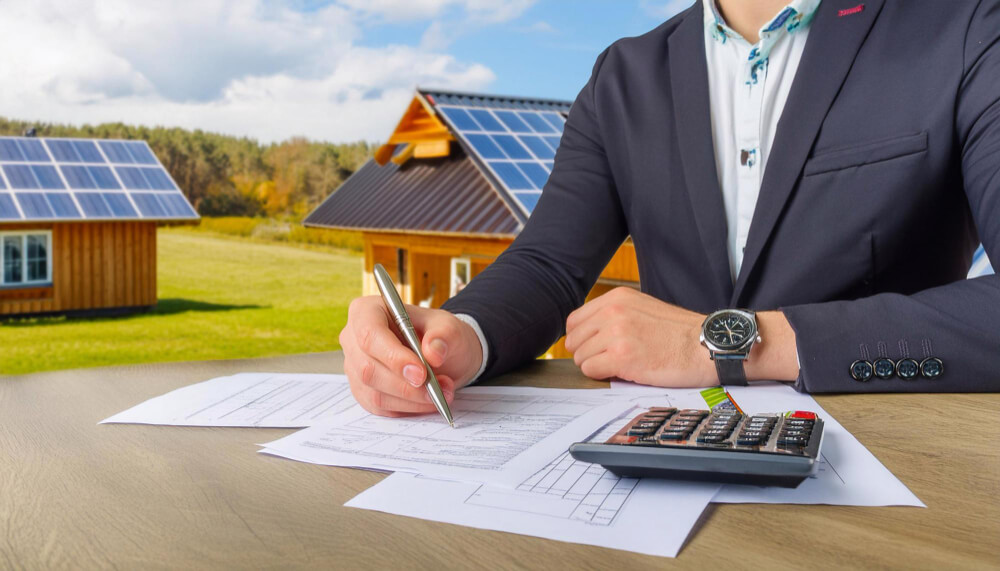
Solar panels for your home cost in India generally ranges between ₹40,000 and ₹85,000 per kilowatt (kW) before subsidies. A typical 3 kW solar system, suitable for most Indian households, costs ₹1.2 lakh to ₹2.5 lakh, depending on panel type, inverter quality, installation complexity, and government incentives.
With rising electricity tariffs and generous rooftop solar subsidies, understanding solar panel costs for your home has become essential for homeowners planning long-term savings and energy independence.
This guide explains everything you need to know—from system prices and installation costs to subsidies, ROI, panel types, and real savings.
What Are Solar Panels and How Do They Reduce Home Electricity Costs?
Solar panels are photovoltaic (PV) devices that convert sunlight into electricity using silicon-based solar cells. When installed on rooftops, they generate clean electricity during the day, reducing reliance on grid power.
For homeowners, this means:
- Lower monthly electricity bills
- Protection from tariff hikes
- Long-term savings for 25+ years
The solar panels for your home cost is a one-time investment that replaces recurring electricity expenses.
Solar Panels for Your Home Cost: Key Price Factors
The total cost of installing solar panels at home depends on several interconnected elements:
1. System Size (kW Requirement)
The larger your electricity consumption, the bigger the system you need—and the higher the upfront cost.
2. Type of Solar System
- On-grid systems (most affordable)
- Off-grid systems (include batteries)
- Hybrid systems (grid + battery backup)
3. Solar Panel Technology
High-efficiency panels cost more but require less roof space and generate more electricity.
4. Inverter and Balance of System
Quality inverters, mounting structures, cables, earthing, and protection devices add to the final price.
5. Location & Installation Complexity
Roof type, height, accessibility, and local labor charges affect installation cost.
Solar Panels for Your Home by System Size (India)
| System Size | Approximate Cost (Before Subsidy) | Suitable For |
|---|---|---|
| 1 kW | ₹40,000 – ₹85,000 | Small homes, lights, fans |
| 2 kW | ₹105,000 – ₹228,000 | 2 BHK apartments |
| 3 kW | ₹120,000 – ₹250,000 | Average households |
| 4 kW | ₹160,000 – ₹300,000 | Larger families |
| 5 kW | ₹200,000 – ₹350,000 | Homes with ACs |
| 10 kW | ₹500,000 – ₹7,00,000+ | Villas, high usage |
These figures represent solar panels for your home cost before government subsidies.
Cost of Solar Panel Installation for Home
Installation typically accounts for 10–15% of total system cost and includes:
- Mounting structure installation
- DC and AC wiring
- Earthing and lightning protection
- Inverter installation
- Net metering setup
- Commissioning and testing
A professionally installed system ensures safety, efficiency, and long-term durability.
Solar Panel Types and Their Cost Impact
Choosing the right panel type directly affects the cost and performance of solar panels for your home.
Monocrystalline Solar Panels
- Highest efficiency (18–23%)
- Higher cost
- Best for limited roof space
Polycrystalline Solar Panels
- Lower cost
- Slightly lower efficiency
- Suitable for large rooftops
Thin-Film Panels
- Lightweight
- Lower efficiency
- Rarely used for residential rooftops
BIPV Solar Panel
- Integrated into roofs or façades
- Premium pricing
- Architectural appeal
Government Subsidy on Solar Panels for Home
India’s rooftop solar program offers attractive subsidies for residential users.
PM Surya Ghar Muft Bijli Yojana
- Up to 60% subsidy is available for systems with a capacity of up to 2 kW.
- Up to 40% subsidy for systems between 2 and 3 kW
Subsidies can reduce the cost of solar panels for your home by ₹30,000–₹100,000+, depending on system size and state policies.
Solar Panels for Your Home’s Cost After Subsidy (Example)
| System Size | Before Subsidy | After Subsidy (Approx.) |
|---|---|---|
| 2 kW | ₹140,000 | ₹85,000 – ₹95,000 |
| 3 kW | ₹2,10,000 | ₹140,000 – ₹160,000 |
This significantly improves affordability and ROI.
Electricity Bill Savings with Home Solar Panels
Solar panels directly reduce grid consumption.
Estimated monthly savings:
- 3 kW system: ₹2,500–₹3,000
- 5 kW system: ₹4,000–₹5,000
With net metering, excess electricity exported to the grid earns credits, further reducing bills.
Payback Period: When Does Solar Become Free?
Most homeowners recover their solar panels for your home cost within:
- 4–5 years (with subsidy)
- 6–7 years (without subsidy)
Since panels last 25–30 years, this means 20+ years of almost free electricity.
Rooftop Space Required for Solar Panels
| System Size | Roof Area required |
|---|---|
| 1 kW | 80–100 sq ft |
| 3 kW | 250–300 sq ft |
| 5 kW | 400–500 sq ft |
High-efficiency panels reduce space requirements.
Maintenance Cost of Home Solar Panels
Maintenance is simple and affordable:
- Panel cleaning: 2–3 times a year
- Inverter check: once annually
Annual maintenance cost is less than 1% of the system price, making solar extremely economical.
Solar Panels for Your Home: Cost vs Electricity Bills
| Factor | Grid Electricity | Solar Panels |
|---|---|---|
| Monthly cost | Rising every year | Fixed (zero fuel cost) |
| Price control | Utility company | Homeowner |
| Long-term expense | Unlimited | One-time |
| Environmental impact | High | Zero emissions |
Is Installing Solar Panels Worth the Cost?
Absolutely. Solar panels offer:
- Financial savings
- Energy independence
- Clean power
- Increased property value
- Protection from tariff hikes
For Indian households, solar panels for your home cost are one of the smartest long-term investments.
(*Note: All costs mentioned above are estimates and can change with time.)
People Also Ask
- What is the average cost of solar panels for your home in India?
Between ₹40,000 and ₹85,000 per kW before subsidy. - How much does a 3kW solar system cost?
₹1.2–₹2.5 lakh before subsidy. - What is the typical timeframe for recovering solar installation costs?
Typically 4–5 years. - Does solar eliminate electricity bills?
It can reduce bills by up to 90%. - Which solar panel type is best for homes?
Monocrystalline panels offer the best efficiency. - What is the lifespan of solar panels?
25–30 years. - Is net metering available everywhere?
Yes, in most Indian states. - Can solar panels work during power cuts?
This is only possible with battery or hybrid systems. - Is maintenance expensive?
No, it’s minimal. - Is installing solar panels profitable?
Yes, due to long-term savings and subsidies.