

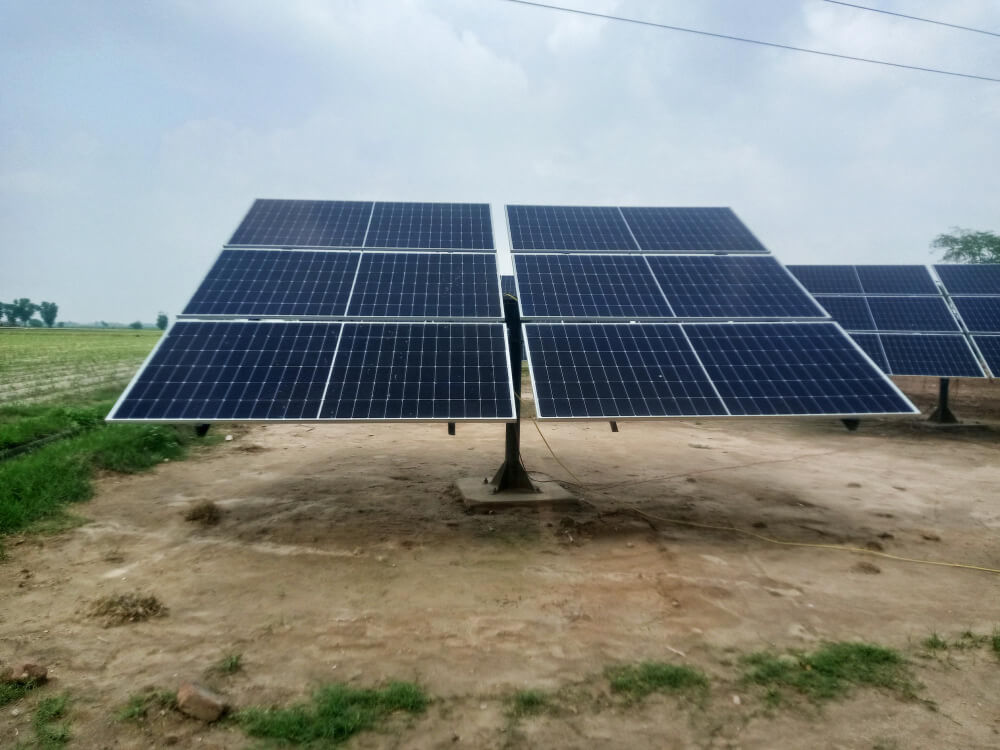
As modern architecture evolves toward sustainability and energy efficiency, the BIPV solar panel has become one of the most talked-about innovations in renewable energy. Instead of mounting traditional solar panels on rooftops, BIPV allows solar power to be built into the structure itself—replacing conventional materials like roofing tiles, facades, skylights, shading systems, and even windows.
Whether you’re designing a home, commercial complex, airport, hospital, or high-rise building, a BIPV solar panel offers a stunning combination of aesthetics, functionality, and clean energy generation. This guide explains everything you need to know about BIPV systems—how they work, where they are used, their advantages, types, pricing factors, and future potential.
What’s a BIPV Solar Panel?
A BIPV solar panel (Building-Integrated Photovoltaic) is a solar module designed to replace traditional building materials—such as roofing, facades, windows, skylights, or glass—while simultaneously generating electricity. These panels integrate directly into the building envelope and offer dual benefits: structural functionality plus renewable energy production, with customizable colors, shapes, textures, and transparency levels.
Unlike standard solar panels added to a structure, BIPV becomes part of the architecture and offers:
- High aesthetic appeal
- Dual-purpose design
- Weather protection
- Energy generation
- Thermal and acoustic insulation
This makes BIPV solar panel systems ideal for modern, energy-efficient buildings.
Where Are BIPV Solar Panels Used? (Top Applications)
The versatility of a bipv solar panel enables it to be used across multiple building surfaces.
1. Solar Facades & Curtain Walls
One of the most popular applications.
BIPV facades can be:
- Semi-transparent or opaque
- Colored or patterned
- Ventilated or integrated
Used in commercial towers, offices, and institutional buildings.
2. Solar Roofs (Tiles, Shingles & Panels)
BIPV roofing replaces:
- Roof tiles
- Asphalt shingles
- Metal cladding
- Skylight structures
Solar roofs are ideal for residential and commercial buildings seeking clean energy without visible panels.
3. Solar Glass & Windows
Semi-transparent BIPV modules allow:
- Natural daylight
- UV filtration
- Heat control
- Energy generation
Applications include:
- Skylights
- Canopies
- Atriums
- Glass facades
4. Shading Systems & Canopies
Architectural shading elements like
- Louvers
- Pergolas
- Carports
- Overhangs
These reduce heat gain while generating clean power.
5. Public Infrastructure
Used in:
- Airports
- Hospitals
- Railway stations
- University campuses
- Shopping complexes
Anywhere that needs energy efficiency and architectural appeal.
How Does a BIPV Solar Panel Work?
Similar to standard photovoltaic systems, BIPV modules convert sunlight into electricity.
The structure typically includes:
- Tempered or laminated glass
- A PVB or EVA interlayer
- High-efficiency solar cells (monocrystalline, thin-film, etc.)
- Back glass or composite backing
BIPV Generates Energy Using:
- Direct sunlight
- Diffused light
- Reflected light
Energy produced is fed into:
- A grid-connected inverter system
- On-site consumption
- Battery storage (optional)
Architectural designs may also use drone aerial photography or drone 3D mapping during planning and installation to visualize shading, building angles, and optimal solar placement.
Advantages of BIPV Solar Panels
Using a bipv solar panel offers a wide range of benefits for both homes and commercial structures.
1. Aesthetic Integration
BIPV blends into the architecture—no bulky modules or mounting hardware.
Available in:
- Black, bronze, green, blue
- Semi-transparent or opaque
- Custom textures and finishes
2. Dual Functionality = Cost Savings
A bipv solar panel replaces:
- Facade glass
- Roof tiles
- Wall cladding
This often reduces the cost of building materials while producing energy.
3. Clean Energy & Lower Bills
With rising electricity costs and increasing solar energy panels price awareness, BIPV systems offer a long-term energy-efficient solution.
Also ideal for:
- solar energy for home
- Commercial buildings
- Public infrastructure
4. Thermal & Acoustic Insulation
A BIPV system provides:
- Heat rejection
- Improved indoor comfort
- Noise reduction
5. Structural Durability
BIPV units are designed to:
- Withstand wind loads
- Resist impact
- Offer weather tightness
- Meet safety standards
6. Green Building Compliance
BIPV supports:
- LEED certifications
- Net-zero building goals
- Sustainable architecture
Types of BIPV Solar Panels
Let’s break down the most common categories.
1. Solar Roof Tiles / Solar Shingles
Solar Roof Tiles / Solar Shingles resemble roofing materials, yet they generate energy.
2. Solar Facade Panels
Mounted vertically into cladding or curtain walls.
3. Solar Glass/Glazing Modules
Used for:
- Windows
- Skylights
- Canopies
Semi-transparent designs allow natural light.
4. Thin-Film BIPV Modules
Flexible and lightweight—useful for curved surfaces.
5. Colored & Patterned BIPV Panels
Made for architectural designs requiring aesthetics without visible PV cells.
Cost Factors: How Much Does a BIPV Solar Panel System Cost?
The cost of a bipv solar panel system varies based on:
- Type of BIPV (roof tiles, facade glass, glazing)
- Cell technology (mono, thin-film, etc.)
- Transparency level
- Customization
- Installation complexity
- Building height & layout
- Region and labor charges
In comparison, the solar pv panels price for traditional systems is typically lower, but BIPV offers architectural and functional advantages that offset costs over time.
Most premium commercial buildings adopt BIPV because the value added to design and energy savings outweighs the upfront investment.
How BIPV Compares to Traditional Solar Panels
| Feature | BIPV Solar Panel | Traditional Solar Panels |
|---|---|---|
| Aesthetic | Seamless | Visible |
| Installation | Integrated into structure | Mounted on top |
| Cost | Higher upfront | Lower |
| Energy Output | Slightly lower (varies) | Higher efficiency |
| Use Case | Architectural + energy | Pure energy generation |
| Customization | High | Limited |
For homeowners who value design, BIPV is the future—especially as solar energy for home becomes a standard requirement.
Where BIPV Solar Panels Make the Most Sense
- ✔ High-rise buildings
- ✔ Commercial towers
- ✔ Airports & hospitals
- ✔ Eco-friendly residential homes
- ✔ Urban rooftops where space is limited
- ✔ Modern architectural projects
- ✔ Buildings needing facade replacement
- ✔ Projects aiming for net-zero certification
In every case, BIPV adds long-term value while enhancing the building’s design.
10 People Also Ask + FAQ
- What is a BIPV solar panel?
A solar panel integrated into building materials like roofs, facades, or glass that generates electricity while functioning as part of the structure. - How do BIPV solar panels work?
They convert sunlight into electricity using photovoltaic cells embedded within architectural materials. - Where are BIPV panels used?
BIPV panels find their application in various locations such as roofs, facades, windows, skylights, shading systems, and canopies. - Are BIPV panels better than traditional solar panels?
They offer superior aesthetics and dual functionality but may cost more upfront. - Can BIPV panels replace roof tiles?
Yes—solar roof shingles and tiles are a type of BIPV. - Do BIPV modules generate enough power?
Yes, though vertical facades may produce less than rooftop systems depending on orientation. - What materials are used in BIPV?
Tempered glass, laminated glass, PVB layers, EVA, monocrystalline or thin-film solar cells. - How much do BIPV systems cost?
Costs depend on customization, transparency, material type, and installation complexity. - Can drones be used for BIPV inspection?
Yes—drone aerial photography and drone 3D mapping help assess shading and monitor installation quality. - Is BIPV suitable for homes?
Absolutely—especially for homeowners seeking eco-friendly design and long-term energy savings.
Conclusion
A bipv solar panel is more than an energy system—it’s a building material that transforms architecture, aesthetics, and sustainability. As solar technology advances and solar energy panels price trends improve, BIPV will continue shaping the future of green buildings, offering clean energy, design flexibility, and reduced carbon footprints.
Whether you’re planning a modern home, commercial high-rise, or public infrastructure project, integrating BIPV adds lasting value while supporting global energy goals.